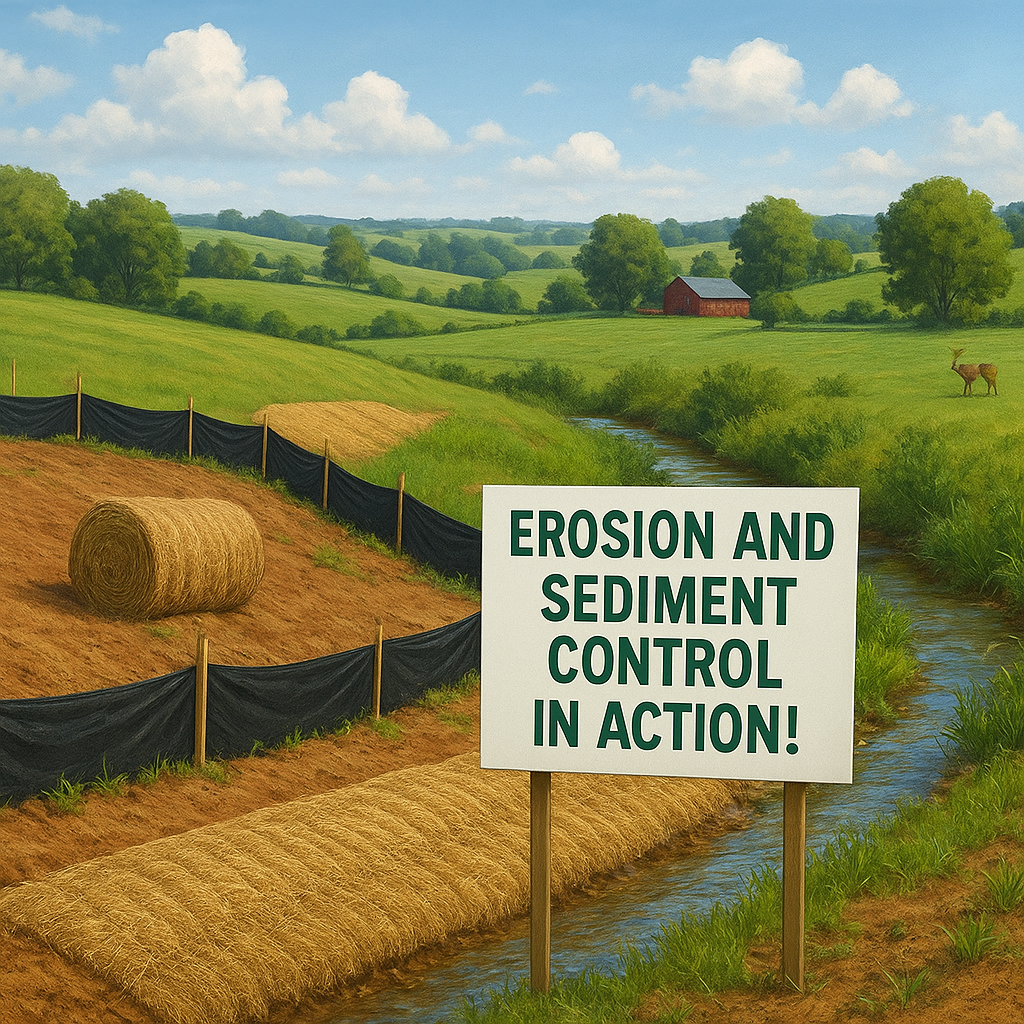
Have you ever driven past a construction site after a heavy rain and noticed how the surrounding roads and streams stay remarkably clean? It’s not magic. It’s careful planning and a promise backed by financial security. In Dinwiddie County, Virginia, that promise often takes the form of an erosion and sediment control performance bond. If you’re a developer, a contractor, or just a curious resident watching the county grow, understanding this bond is key to grasping how the area keeps its natural beauty intact while building for the future.
Let’s break it down in simple terms. Think of a performance bond like a refundable security deposit you might put down on a rental property. The landlord holds that money to make sure you don’t damage the place. Here, Dinwiddie County is the landlord, the land is the property, and the contractor is the tenant. The bond says, “We promise to take good care of the soil and water, and if we don’t, the county can use this money to fix things.”
What Exactly Is an Erosion and Sediment Control Performance Bond?
At its heart, an erosion and sediment control performance bond is a legal guarantee. It’s a three-way agreement between the project owner (often called the principal), the county (the obligee), and a surety company (the one providing the bond). The bond ensures that the people doing the land-disturbing work will follow an approved erosion and sediment control plan. If they fail to do so, the surety steps in to cover the cost of cleanup and stabilization up to the bond amount.
Why does this matter so much in Dinwiddie? Picture a heavy Virginia thunderstorm pounding down on a freshly cleared lot. Without proper controls, that rain can wash tons of soil into nearby creeks, smothering aquatic life and clogging drainage systems. The bond is the county’s tool to prevent that muddy disaster before it starts, or to fund the fix if things go wrong.
Why Dinwiddie County Takes Soil and Water Protection Seriously
The County of Dinwiddie, Virginia is a place of rolling farmland, quiet woodlands, and a growing number of residential and commercial developments. With that growth comes a real risk: soil erosion. When builders clear land for a new neighborhood, a shopping center, or even a single home, they strip away the vegetation that holds the soil in place. Exposed dirt is loose and vulnerable. The county’s erosion and sediment control ordinance lays out clear rules to keep that dirt where it belongs.
Those rules aren’t just bureaucratic red tape. They protect your drinking water, prevent costly road repairs, and preserve the rural character that makes Dinwiddie special. A performance bond adds teeth to the regulations. It turns a paper plan into an enforceable commitment.
The Link Between Clean Water and Construction Bonds
Have you ever considered how much sediment a single acre of construction can produce? It can be over 100 tons a year if left unchecked. That sediment carries nutrients, chemicals, and debris straight into the waterways. For a county that values its hunting, fishing, and farming, that’s simply unacceptable. The bond requirement encourages every builder to think like a steward of the land, not just a developer.
How Does the Bond Process Work in Dinwiddie VA?
Getting a Dinwiddie VA Erosion and Sediment Control Performance Bond isn’t as complicated as it sounds. The process flows in a logical sequence, a bit like following a recipe. Let’s walk through the steps so you know what to expect.
- Step 1: Create Your Erosion and Sediment Control Plan. Before you break ground, a certified professional designs a detailed plan showing how you’ll keep soil in place. This includes silt fences, sediment basins, temporary seeding, and more.
- Step 2: Submit and Get Approved. You hand that plan over to the Dinwiddie County environmental office or the local Virginia DEQ representative. They review it, often suggest tweaks, and then give their stamp of approval.
- Step 3: Determine the Bond Amount. The county calculates how much financial assurance you need. This amount reflects the estimated cost to stabilize the site if you walk away or cause damage. It’s based on the acreage, the steepness of the land, and the complexity of the controls.
- Step 4: Secure the Bond. You work with a surety bond agency to obtain the actual bond. The premium you pay is a small percentage of the total bond amount, and it depends on your creditworthiness and business history.
- Step 5: File the Bond with the County. Once you have the bond document, you deliver it to the county. At that point, you’re often cleared to start moving dirt.
- Step 6: Maintain Controls and Finish the Job. Throughout construction, you inspect and repair your erosion controls. When the ground is permanently stabilized with grass or other vegetation, you request a release.
- Step 7: Get Your Bond Released. The county inspects the site one last time. If everything looks good and the soil is secure, they release or cancel the bond, freeing you from future obligation.
It’s a cycle built on accountability. The bond isn’t a punishment; it’s a placeholder for responsible action.
Who Typically Needs This Kind of Bond?
You might think this only applies to huge corporate developers. Not true. In Dinwiddie County, anyone disturbing more than a certain threshold of land—often as little as 10,000 square feet—may need a permit and a corresponding performance bond. This covers a wide range of projects:
- Single-family home builders clearing a lot in a subdivision.
- Commercial developers building a new retail center along Route 1.
- Road construction crews expanding or repairing county roads.
- Utility companies installing pipelines or cable lines that cut through fields.
- Even a landowner creating a large pond or doing major grading could fall under the requirement.
The common thread is disturbing soil that could wash away. If your boots get muddy, the county probably wants a conversation about erosion control.
The Unseen Benefits: More Than Just a Regulatory Box to Check
A Soil Erosion or Sediment Control bond does a lot of quiet work behind the scenes. It actually boosts infrastructure in ways you can feel. How? Think about a subdivision where every builder ignores runoff. The streets get buried in mud. Storm drains choke. Taxpayers pick up the tab for cleanup. The bond shifts that responsibility back to the developer, keeping public funds available for things like schools, parks, and actual road improvements.
On a larger scale, healthy streams and rivers are essential infrastructure too. They handle flooding, recharge groundwater, and support wildlife. When you prevent sediment from smothering a creek, you’re maintaining a natural drainage system that costs taxpayers nothing. That’s a long-term infrastructure win paid for by the bond guarantee.
How a Bond Protects the Project Owner
Here’s a twist. The bond doesn’t just shield the county; it also protects the honest contractor or landowner. Let’s say you hire a subcontractor to grade your lot, and they accidentally divert a drainage channel, causing a washout. With a bond in place, there’s a clear mechanism for covering the fix without you having to drain your personal savings. It sets clear expectations from day one.
Real-World Impact: A Dinwiddie County Scenario
Imagine a local farmer, Mr. Johnson, decides to sell part of his land for a cozy ten-home cul-de-sac. The developer, GreenPastures LLC, gets all the permits and posts a $30,000 bond. Halfway through construction, a summer storm washes away a silt fence, and a plume of muddy water flows into a nearby creek that feeds a pond on the neighboring farm. The neighbor complains to the county. An inspector visits, documents the damage, and contacts GreenPastures to fix it immediately. The developer wavers, saying it’s not in the budget.
Here’s where the bond shines. The county can dip into that $30,000 guarantee to hire a stabilization crew, reseed the damaged area, and install stronger barriers—all without chasing the developer through court or leaving Mr. Johnson’s neighbor with a polluted pond. The problem gets solved fast, and the water clears up by the next month. That’s peace of mind you can’t put a price on.
Common Misconceptions About Erosion Control Bonds
Let’s clear up a few points that often trip people up. You might hear someone say, “It’s just another tax.” Not at all. The bond premium is an insurance-like cost for a specific project, and the bond amount itself is returned or released once you meet your obligations. You’re not losing that money unless you walk away from a mess.
Another misconception is that the bond covers all environmental damage. It doesn’t. It is strictly tied to the approved erosion and sediment control plan. If you spill diesel fuel on the site, that’s a different problem. The bond is a soil and sediment safety net, not a blanket environmental insurance policy.
Some folks also worry that getting a bond is painfully slow. In reality, working with a specialized surety agency that understands Virginia’s requirements can turn it around in days. The key is having your paperwork and plans ready.
Looking Ahead: Growth, Resilience, and Cleaner Water
Dinwiddie County is growing. New families are moving in, businesses are setting up shop, and the landscape is gradually changing. With smart tools like the Dinwiddie VA Erosion and Sediment Control Performance Bond, the county is guiding that growth responsibly. Every bond posted is a commitment that a finished site will look as good as it functions, that the water running off it will be clean, and that the infrastructure around it will stay intact for decades.
Have you ever enjoyed a quiet afternoon fishing in a local pond or watching deer graze at the edge of a field? Those moments are preserved, in part, by the unseen financial protections that guard against careless land disturbance. The next time you see a construction site, you’ll know there is a system in place far bigger than silt fences alone. There is a bond holding it all together, quite literally under the surface.
If you’re planning a project that moves soil, start early. Talk to the County of Dinwiddie, Virginia environmental staff about your plans. Reach out to a knowledgeable bond provider who can guide you through the surety process. With a little preparation, you’ll have your bond in hand, your site under control, and your contribution to the county’s future firmly rooted in responsible growth.