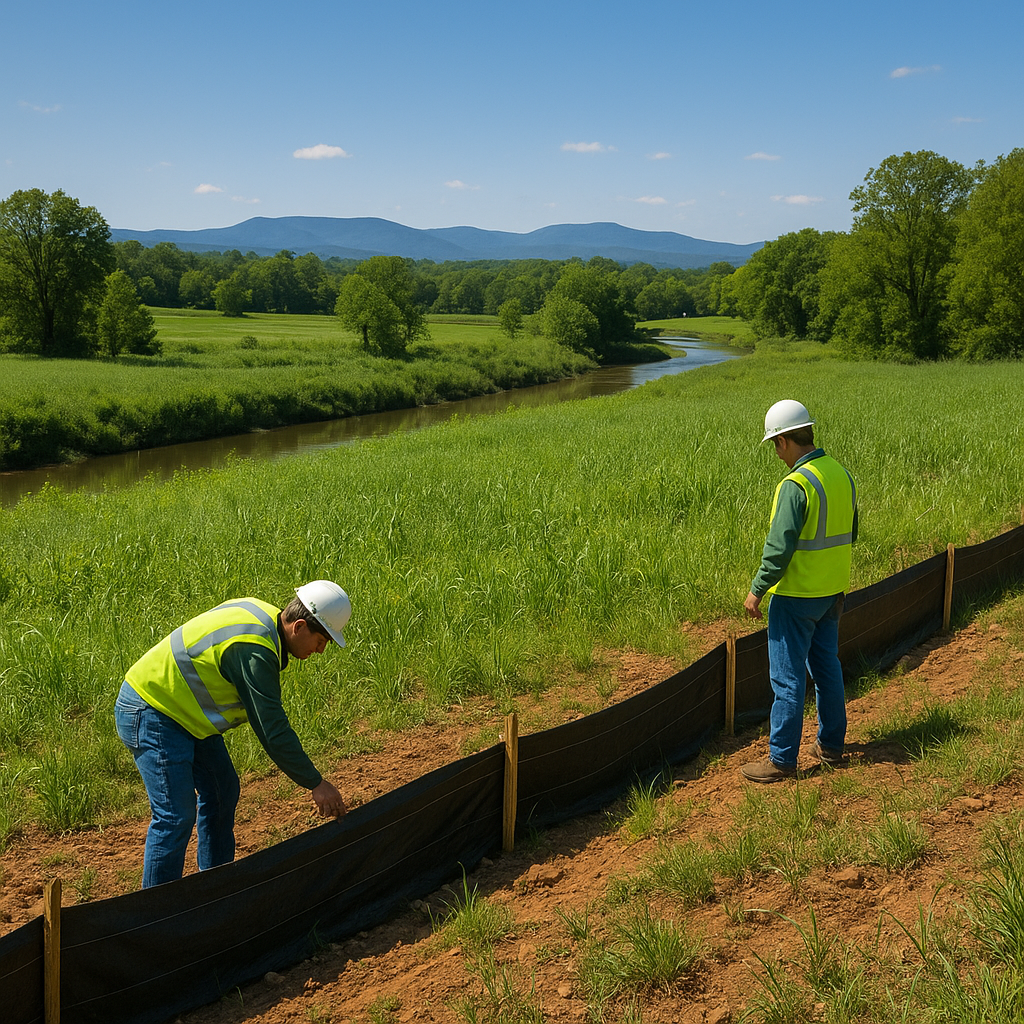
If you’ve ever driven through Culpeper County and admired the rolling hills, clear streams, and rich farmland, you already understand why protecting the land matters so much. Whether you’re a homeowner planning a small addition, a contractor breaking ground on a new subdivision, or a developer looking at commercial property, there’s a quiet but powerful requirement you need to know about: the Culpeper County Erosion and Sediment Control Bond. This isn’t just another piece of red tape—it’s a promise to the community that the soil will stay where it belongs.
What Exactly Is an Erosion and Sediment Control Bond?
Think of this bond as a financial safety net. When you start a construction project that disturbs the earth, soil can easily wash into nearby streams, clog storm drains, or damage neighboring properties. An erosion and sediment control bond guarantees that you’ll follow the approved plan to keep that soil on your site. If you don’t, the county has the funds to step in and fix the problem without dipping into taxpayer money.
In Culpeper County, the Board of Supervisors oversees these requirements. They’ve put measures in place to ensure that anyone disturbing land—whether it’s a quarter-acre backyard project or a major commercial development—takes responsibility for erosion control. The bond is essentially a three-party agreement between the county (the obligee), the project owner or developer (the principal), and a surety company (the guarantor).
Why Culpeper County Takes Erosion Control So Seriously
You might wonder, why all the fuss? After all, a little dirt washing away doesn’t sound like a crisis. But when you multiply that “little dirt” by dozens of active construction sites, the impact on local waterways can be enormous. Sediment clogs fish gills, smothers aquatic habitat, and carries pollutants like fertilizers or oils straight into the Chesapeake Bay watershed. Culpeper County sits within this larger ecosystem, and what happens here ripples downstream.
The Board of Supervisors isn’t creating these rules in a vacuum. Virginia law requires localities to administer erosion and sediment control programs. Culpeper simply tailors its enforcement to local conditions—think heavy clay soils, rolling terrain, and sudden summer thunderstorms. The bond requirement is one of the strongest tools the county has to make sure best practices actually happen on the ground.
Who Needs This Bond—and When?
Most people assume only big construction companies fall under these rules. That’s not entirely true. In Culpeper County, you’ll likely need an erosion and sediment control bond if your project involves land disturbance above a certain threshold—often 10,000 square feet or more. Even smaller projects may trigger the requirement if they’re in sensitive areas near streams or steep slopes.
Common examples include:
- Building a new single-family home on an undeveloped lot
- Grading for a driveway that cuts across a slope
- Clearing land for a commercial building or parking lot
- Installing a septic system with extensive trenching
- Creating a pond or doing major landscaping that moves soil
If your plan requires an erosion and sediment control permit from the county, odds are good that a bond will be part of the package. The exact amount varies based on the size and risk of the project, but the Board of Supervisors sets a minimum that ensures the county can complete stabilization if you walk away.
How the Culpeper County Board of Supervisors Sets the Rules
The Board of Supervisors doesn’t just pick numbers out of thin air. They work with county staff—engineers, soil scientists, and environmental planners—to review local conditions. They also listen to residents who’ve dealt with muddy runoff from neighboring construction. The result is a set of standards that aim to be fair to developers while fiercely protective of the county’s natural resources.
One key thing to understand: the bond isn’t a fine. You get it back. Once your project is complete, the ground is stabilized with grass or other cover, and all temporary controls like silt fences are removed, you apply for a release. The county inspects the site. If everything checks out, the bond is returned. If not, you’ll have a chance to correct issues before the county takes more drastic steps.
The Real Cost of Skipping the Bond
Let’s paint a picture. Say you’re a contractor who figures you can save a few hundred dollars by not posting the bond. You put up a silt fence, but a heavy rain washes it out. Mud flows into the neighbor’s pasture, fills a drainage ditch, and clouds a small stream. The county finds out—maybe from a complaint. Without a bond in place, you’re now facing stop-work orders, fines, and the cost of cleanup that could easily climb into thousands of dollars. Worse, your reputation takes a hit.
The bond is actually a bargain. It’s a fraction of the total project cost, often just a small percentage of the contract price. Surety companies usually charge an annual premium based on your credit and the bond amount. For many small projects, the premium is surprisingly affordable—often less than a few hundred dollars. That small upfront investment buys you peace of mind and keeps the county and your neighbors happy.
Common Misconceptions About Erosion Control Bonds
One myth: “It’s just another tax.” Not true. The bond money isn’t spent unless you fail to meet your obligations. It’s more like a security deposit on a rental apartment—you get it back if you leave things in good shape.
Another misconception: “My insurance will cover any erosion problems.” Typical general liability insurance may not cover gradual pollution or sediment damage. The bond specifically addresses county-required performance, filling a gap that standard policies often leave wide open.
And here’s one that trips up many well-meaning homeowners: “I’m just building my own house—I don’t need a bond.” If your project disturbs enough soil or sits in a sensitive area, the county treats you the same as a large developer. The rules apply based on the land impact, not on who holds the deed.
How to Get a Culpeper VA Erosion and Sediment Control Bond
The process is straightforward, but attention to detail matters. First, you’ll need an approved erosion and sediment control plan from the county. This plan shows exactly where silt fences, stabilized construction entrances, sediment basins, and other measures will be placed. Once the plan is stamped, the county will tell you the required bond amount.
Next, you contact a surety bond provider. Many local insurance agencies in Virginia offer these bonds. The surety company will evaluate your credit and possibly your business financials. For larger bonds, they may ask for additional documentation. Once approved, you pay the premium, and the bond is issued. You’ll deliver the original bond form to the county before any grading or earth-moving begins.
Pro tip: don’t wait until the last minute. Bond approval can take a few days, and you don’t want to hold up your project start date because of paperwork.
What Happens If Something Goes Wrong?
Let’s be honest—construction is messy. Even with the best plans, things can go sideways. Perhaps a subcontractor knocks down a silt fence with a backhoe, or an unexpected storm drops three inches of rain in an hour. If sediment leaves your site, you need to act fast. Report the issue to the county, repair any damaged controls, and clean up the off-site sediment. The bond is there as a last resort, not a first response.
If you fail to address the problem, the county can make a claim against your bond. The surety company will investigate, and if the claim is valid, they’ll pay the county up to the bond amount. But here’s the critical part: the surety will then come to you for reimbursement. It’s not free money—it’s a loan you have to repay. So keeping the site in compliance is always the cheaper and smarter path.
The Bigger Picture: A Community That Cares
When the Board of Supervisors strengthened erosion and sediment control measures, they weren’t just following a state mandate. They were responding to a community that values clean water, thriving farms, and neighborhoods where people can enjoy clear creeks and ponds. Every time a project properly controls its soil, it’s a win for downstream neighbors, for wildlife, and for the long-term health of the Chesapeake Bay.
You play a part in that story each time you sign that bond and implement the controls. It’s not glamorous work—nobody posts pictures of silt fences on Instagram. But it’s work that quietly keeps Culpeper County beautiful and livable for generations.
Frequently Asked Questions We Hear from Locals
Can I use cash or a letter of credit instead of a surety bond?
Yes, in some cases the county may accept alternative forms of security like a certified check or an irrevocable letter of credit. However, these tie up your own funds, whereas a bond keeps your cash liquid. Discuss options with county staff early in the permitting process.
How long does the bond stay in effect?
The bond remains active until the county formally releases it. That usually happens after final stabilization—meaning grass or other vegetation is established, slopes are secure, and temporary measures have been removed. The release requires an inspection and written approval.
What if I sell the property before the bond is released?
Bond obligations typically run with the landowner or the permit holder. If you sell, the new owner usually needs to post a replacement bond in their name. Never assume the bond transfers automatically; coordinate with the county and your surety to avoid gaps in coverage.
Your Next Steps Made Simple
Feeling a bit overwhelmed? Don’t be. Start with a call to the Culpeper County Department of Planning and Zoning. They can look at your property, explain thresholds, and guide you to the right forms. Then reach out to a surety bond professional who understands Virginia’s local requirements. With a little preparation, the bond becomes just one more checkmark on your project to-do list—right between gaining plan approval and breaking ground.
Remember, the erosion and sediment control bond isn’t an obstacle. It’s your proof that you’re a responsible steward of the land. In Culpeper County, that’s something the Board of Supervisors, your neighbors, and the land itself will thank you for.