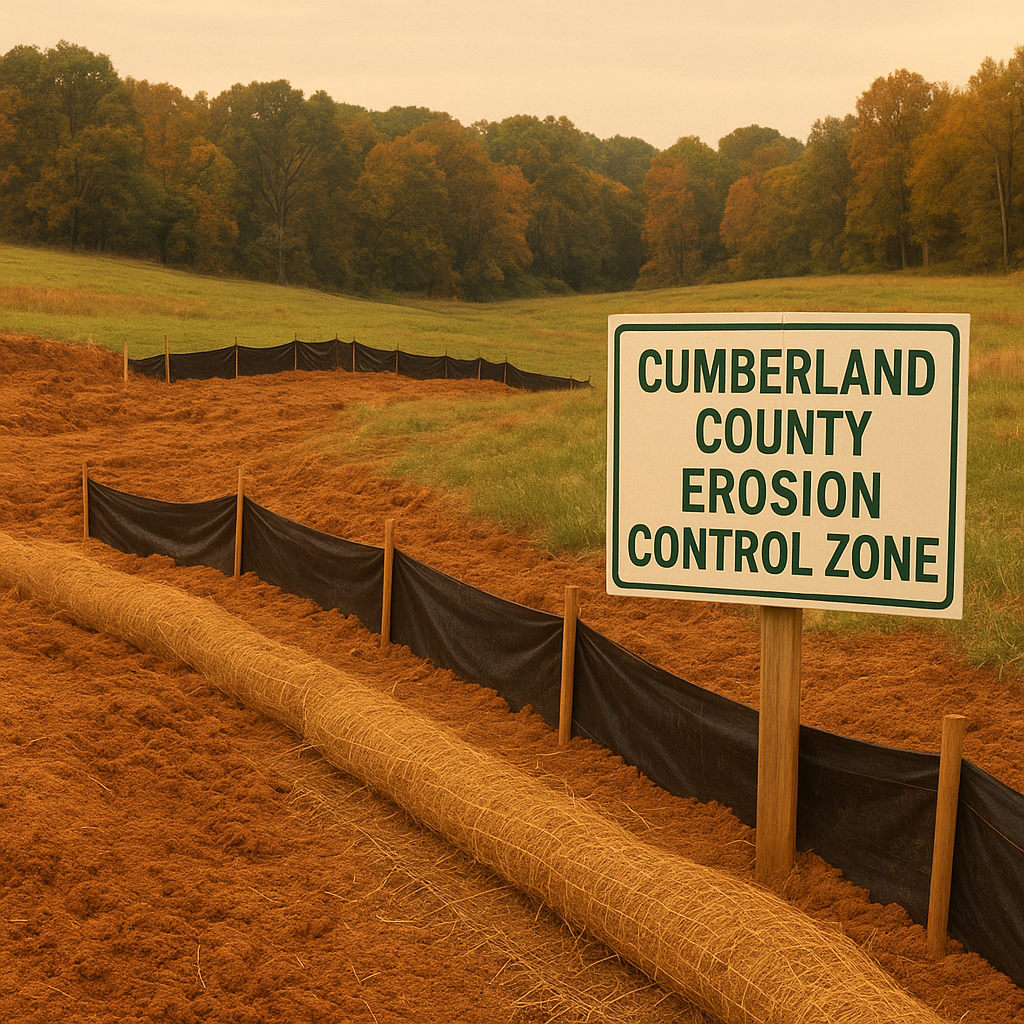
Picture this: you’re finally ready to break ground on a long-awaited project in the rolling countryside of Cumberland County, Virginia. The plans are gorgeous, the crew is eager, and then—surprise—someone mentions you need something called an erosion and sediment control performance bond. If your first thought is, “What on earth is that, and why does it matter?” you’re in exactly the right place. Let’s walk through everything you need to know about this important requirement, why Cumberland County put it in place, and how it might actually be your project’s best friend.
Getting to the Root: What Is Erosion and Sediment Control, Anyway?
Before we dive into bonds, let’s talk about dirt. When construction sites, road projects, or even large landscaping jobs disturb the land, rain and wind can easily wash or blow loose soil away. That’s erosion. The runaway soil—now called sediment—clogs streams, smothers fish habitats, fills up ditches, and clouds our water. Not exactly the legacy most of us want to leave behind.
Erosion and sediment control (often shortened to E&S control) is simply a set of best practices that keep soil in place. Think silt fences, sediment basins, mulch blankets, and careful grading. They’re like a temporary shield for the land while the real work happens.
Why a Performance Bond Entered the Picture
Now, here’s where human nature can get tricky. We all start projects with great intentions, but sometimes budgets get tight, timelines stretch, and the finishing touches—like stabilizing bare ground or repairing a failed silt fence—get pushed aside. A performance bond is essentially a financial promise that says, “I will follow through on my erosion control obligations.” If the promise isn’t kept, the bond provides a pot of money to fix things without dipping into public funds.
You can think of it like a security deposit on a rental home. You agree to take care of the place, and if you accidentally knock a hole in the wall, the deposit covers the repair. Here, the “deposit” is guaranteed by a surety company, and the “rental” is the county’s precious natural resources.
Cumberland County’s Specific Take on the Performance Bond
Cumberland County, Virginia, sits in the heart of the Piedmont region, where rolling hills, farmland, and waterways like the James River and Willis River create a landscape worth protecting. As development pressure grows, so does the need to balance progress with preservation. That’s why Cumberland VA implemented an erosion and sediment control performance bond requirement for certain land-disturbing activities.
In simple terms, if your project disturbs a significant amount of soil—often anything above a threshold set by the county’s erosion and sediment control ordinance—you must secure a performance bond before the permit is issued. This bond stays in force until the county inspects the site and confirms that all temporary and permanent stabilization measures are complete and working as designed. Only then is the bond released.
Who Really Needs This Bond?
Not every backyard garden requires a bond. The requirement typically kicks in for larger projects: subdivisions, commercial sites, industrial parks, major utility work, or any land disturbance that exceeds, say, 10,000 square feet (the exact number can vary so always check with Cumberland’s planning office). If you’re a developer, contractor, or even a farmer moving significant earth, you’ll want to ask early.
Still not sure? Ask yourself: “Does my project need a grading permit or a land disturbance permit from the county?” If the answer is yes, a performance bond might very much be part of the conversation.
How the Bond Actually Works in the Real World
Let’s break it down into bite-sized steps. Imagine you’re putting in a new subdivision on a gently sloping parcel near Cartersville. You submit your erosion and sediment control plan to Cumberland County, which spells out exactly how you’ll keep mud where it belongs. Once approved, the county calculates a bond amount. This figure is typically the estimated cost to install and maintain all those controls, plus a cushion for any emergency repairs.
You then purchase the bond from a surety company—often through an insurance agent who specializes in construction bonds. The bond is a three-party agreement: you (the principal), the county (the obligee), and the surety company (the guarantor). If you walk away and leave a mess, the county can make a claim against the bond. The surety pays up to the bond limit, and then you repay the surety. Yes, you do eventually pay. It’s not insurance against your own mistakes; it’s more like a credit line that guarantees your word.
What Happens When Things Go Smoothly
Ideally, you do everything right. You keep your silt fences standing tall, seed and mulch the slopes before a big storm, and schedule your final inspection with a sense of pride. The county inspector walks the site, gives a nod of approval, and releases the bond. You get your paperwork back, the project moves into its next phase, and the land breathes a sigh of relief. No drama, no extra costs—just a job done responsibly.
Common Pitfalls and How to Avoid Them
Even seasoned builders can stumble. Here are a few missteps that can trigger bond headaches:
- Underestimating costs: If the bond amount is too low and a major gully washes out a hillside, the actual repair bill may exceed the bond. The county ends up scrambling, and you could face enforcement action.
- Forgetting about maintenance: A silt fence put up in May might be sagging by July. Bonds often require ongoing maintenance until the site is fully stable. Set calendar reminders, walk the site weekly, and fix issues before they snowball.
- Miscommunication with subcontractors: Your grading sub might be the one actually disturbing the earth. Make sure they understand the county’s E&S requirements and know that their actions directly affect your bond. Include clear language in your contracts.
- Waiting too long for final stabilization: The clock ticks, and nature doesn’t pause. The longer bare dirt sits exposed, the greater the risk of a rain event undoing weeks of work. Aim for quick temporary seeding and mulch, then permanent vegetation as soon as seasonal timing allows.
A Smoother Path: Steps to Secure Your Bond
Feeling a little overwhelmed? Don’t. The process is fairly linear once you know the players.
First, contact Cumberland County’s Community Development or Environmental Services Department. They’ll provide the current bond amount calculation method and any local forms. Next, pull together your E&S plan and a cost estimate from a qualified professional. Armed with that, reach out to a bonding agent. Give them the county’s requirements, your project’s specifics, and your financial credentials. The surety company will likely check your credit and experience—they want to know you’re a safe bet.
Once approved, you’ll pay a premium (a small percentage of the total bond amount, often 1-3% for well-qualified applicants). The agent then issues the bond, which you file with the county to check that box on your permit application. Keep a copy in your project binder and snap a photo with your phone. Future you will thank you.
Why This Bond Is Actually a Win for Everyone
It’s easy to see another piece of paperwork as a roadblock, but let’s flip the lens. Erosion doesn’t respect property lines. A muddy torrent from one site can ruin a neighbor’s pond, choke a creek beloved by local anglers, or cost taxpayers dearly when culverts clog and roads wash out. By requiring a performance bond, Cumberland County creates a fair system where responsible developers aren’t undercut by those who cut corners.
For you, the project owner, the bond can also be a silent partner in quality control. Knowing there’s a financial stake often leads to better daily practices, fewer stop-work orders, and a stronger reputation in the community. When future bids come around, pointing to a clean track record in Cumberland can set you apart.
Connecting with Cumberland’s Landscape
Cumberland County’s identity is woven into its rural character—forests, pastures, and historic villages. The bond requirement isn’t about making life difficult; it’s about safeguarding what makes this place special while allowing thoughtful growth. Whether you’re building a single-family home with a long driveway cut into a slope or a multi-acre solar farm, the principle stays the same: leave the land as stable as you found it—or better.
Questions You Might Be Asking Right Now
We’re guessing a few “but what about…” questions are popping up. Let’s tackle them.
Can I use cash or a letter of credit instead? Many counties, including Cumberland, may accept alternatives like a certified check, irrevocable letter of credit, or even a cash deposit into an escrow account. The performance bond is simply the most common route because it doesn’t tie up large sums of your working capital. Always ask the county what they’ll accept.
How long does the bond stay active? Typically until the county issues a notice of completion or final stabilization letter. This could be months after the last building goes up, depending on when vegetation takes hold. Plan for mulching and re-seeding in the first growing season after construction.
What if I sell the property mid-project? The bond generally follows the project responsibility. A new owner would need to secure their own bond or have yours transferred, subject to county approval. This is a critical conversation to have before signing any sale documents.
The Bigger Picture: Soil Erosion or Sediment Control as Community Care
Strip away the official forms and surety jargon, and what you’re left with is a simple truth: good neighbors keep their mud off the street and out of the river. The Cumberland VA erosion and sediment control performance bond is just a structured way of reinforcing that decency. It asks each of us to put a little skin in the game, to take the long view, and to leave the land ready for the next generation.
Next time you see a construction site with crisp silt fences and a lush cover crop growing on a once-bare slope, you’ll know there’s a good chance a performance bond helped make it happen. And if that site is yours, you can feel proud that your bond wasn’t just a bureaucratic hurdle—it was a tool of trust between you and the community you’re building in.