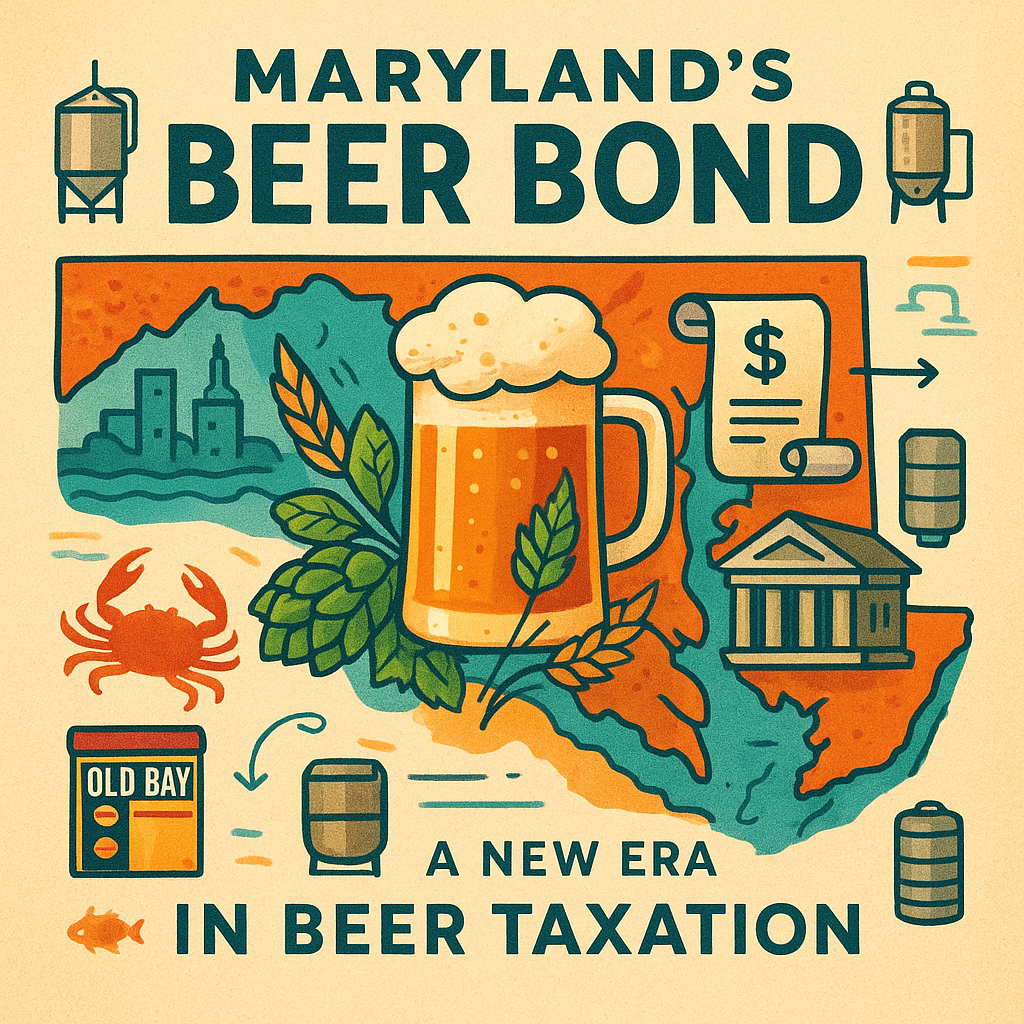
What Exactly Is a Beer Bond?
Imagine a savings bond that doesn’t just pay you interest in dollars—it pays you in cold, crisp beer savings. The newly proposed Maryland Beer Bond does exactly that. It’s a fresh, creative way for the state to raise money for public projects while giving everyday beer drinkers a break on the state beer tax. Instead of receiving a traditional cash interest payment, bondholders get annual tax credits that slash the excise tax they pay on every pint, six-pack, or keg they buy within Maryland.
The state calls it a “Beer Bond Initiative,” and it’s already turning heads from Ocean City to Deep Creek Lake. Think of it like a CSA (community-supported agriculture) box, but for beer taxes. You invest upfront, the state uses your money for roads, water lines, or school renovations, and later you harvest your reward in the form of lower beer taxes.
How the Maryland Beer Bond Works
At its core, the beer bond is a municipal bond with a twist. Here’s the simple step-by-step:
- Buy the bond. Maryland residents and local businesses purchase Beer Bonds directly from the state treasury during subscription windows. The minimum investment is expected to be a few hundred dollars, keeping the program accessible to regular folks.
- Receive an annual beer tax credit. Instead of getting a coupon payment in the mail, bondholders receive a digital credit loaded onto their Maryland Beer Bond account. This credit can be applied at the register when buying beer at licensed retailers, breweries, and taprooms across the Old Line State.
- Redeem at checkout. When you pick up a case of National Bohemian or a local craft IPA, you scan your Beer Bond ID (via a mobile app or physical card), and the state beer tax portion of the purchase is automatically reduced or wiped out—up to the amount of your annual credit.
- After maturity, get your principal back. Just like a regular bond, when the Beer Bond matures after a set number of years (likely five to ten), the state returns your original investment in full. You enjoyed years of lower beer taxes along the way.
So you’re not spending your money; you’re parking it for a while and getting paid in beer tax relief. If you already buy beer regularly, the savings can add up quickly.
Why Would Maryland Do This?
You might be wondering, “Why not just lower the beer tax outright?” The answer lies in how states fund big projects. Maryland’s beer excise tax is currently nine cents per gallon for beer brewed in-state and a bit more for out-of-state products. That revenue helps pay for things like public safety, infrastructure, and health programs. Slashing the tax without a backup funding source would leave a hole in the budget.
The Beer Bond lets the state have its cake and eat it too—or better, pour its pint and drink it too. By selling bonds, Maryland gets an immediate infusion of cash to jump-start projects. In return, the state commits to giving up future beer tax revenue from bondholders. Financially, it’s a swap: you help fund a new bridge today, and the state thanks you by making your tailgates and crab feasts a little cheaper for years to come.
Maryland’s treasury officials have hinted that this program could fund water-quality upgrades around the Chesapeake Bay, public transit improvements in the Baltimore-Washington corridor, and more. It’s a way to tie a popular consumer product directly to the public good it supports.
Who Can Take Advantage of the Beer Bond?
The program is designed to be wide open. You don’t need to be a finance whiz or a high roller. The Maryland Beer Bond is aimed at:
- Everyday beer lovers. If you buy a six-pack once a week or enjoy a few draft pours with friends, the annual tax credit will feel like a small but satisfying discount every time.
- Home entertainers and party hosts. Planning a wedding reception, a big Ravens tailgate, or an annual crab boil? Buy a larger bond to cover hundreds of dollars in beer taxes and save substantially.
- Local breweries and bars. Small business owners can purchase bonds to offset the tax on inventory. That reduces their operating costs and can help them reinvest in their taprooms or staff.
- Maryland tourists and part-time residents. If you vacation in Ocean City or rent a house on the Eastern Shore each summer, you could buy a bond and use your tax credit during your stays. The digital account doesn’t care if you’re a full-time resident; it just needs to be redeemed at a Maryland point of sale.
In short, if you ever legally purchase beer inside Maryland, the Beer Bond can put a little money back in your pocket.
The Impact on Your Wallet: How Much Can You Really Save?
Let’s break it down with a backyard barbecue. Suppose you buy a $500 Beer Bond that carries an effective annual tax credit of $20 (roughly equal to the state tax on about 222 gallons of in-state beer). For the average household that goes through, say, a couple of six-packs each week, that credit might completely erase the state beer tax for the entire year. In dollar terms, you’re not seeing a huge windfall, but it’s a meaningful gesture—and it makes that bond feel a little more “yours.”
If you’re a superfan of local craft beer and routinely drop $40 on a specialty four-pack, those nine cents per gallon don’t sound like much until you think about volume over time. Over the life of a ten-year bond, a household could easily save over $150 in beer taxes, all while keeping their initial investment intact. It’s like getting a free pony keg of savings after a decade of patience.
How the Beer Bond Stacks Up Against Other State Incentives
States have long offered quirky tax breaks to encourage certain behaviors. Maryland itself has a history of creative incentives—like tax-free days for back-to-school shopping or grants for planting trees. The Beer Bond, however, is the first of its kind to blend a financial investment with a consumption tax rebate.
Think of it as the bond market’s version of a grocery store loyalty card. You commit to the state, and the state commits to giving you a deal on something you were going to buy anyway. Here’s how it compares to other novel ideas:
- Vermont’s “Ski Bond” (conceptual): Some New England states have flirted with bonds that give lift ticket discounts. Maryland’s version is far more universal because beer is consumed statewide, in all seasons.
- Lottery revenue bonds: Many states sell bonds backed by lottery proceeds, but those only reward investors with cash interest; the buyer doesn’t get a direct consumer discount.
- Green bonds: Environmentally focused bonds earn interest and fund eco-projects, but again, no direct offset for household expenses. The Maryland Beer Bond puts the benefit right where people feel it—at the cash register.
By linking an everyday pleasure with public finance, Maryland is hoping to make public investing feel a lot less like homework and a lot more like a toast among friends.
Will the Beer Bond Affect Local Breweries?
That’s the question many craft beer fans are asking. The short answer: it should be a net positive. When consumers pay less tax, they might be tempted to buy a little more—or upgrade from a budget lager to a premium local brew. Breweries also benefit if they purchase bonds themselves, reducing their tax burden on production and sales.
Local breweries could even get creative. Picture a taproom in Frederick announcing, “Beer Bond holders get a dollar off flights every Thursday.” Because the brewery sees the tax credit at the point of sale, they can share the savings and build customer loyalty. The Maryland Brewers Association has already expressed cautious excitement, noting that anything that puts more craft beer in people’s hands while supporting state infrastructure is a win-win.
Potential Pitfalls and Common Questions
No initiative is perfect. It’s wise to look at the Beer Bond from all angles.
What happens if I move out of state?
The tax credit is only redeemable at Maryland retailers. If you leave, you can’t use your savings at a Delaware package shop or a Pennsylvania distributor. However, you still keep the bond earning its credit. You might gift your savings to a friend who still lives in the state, or you could plan a weekend trip back to Maryland to stock up and visit old stomping grounds. The principal still gets returned to you at maturity no matter where you live.
Is the credit transferable?
Under the current proposal, credits are tied to the bondholder’s account, but they can be pooled within a household. Bars and restaurants might negotiate arrangements to apply credits against their wholesale purchases. Full transferability is still being debated in Annapolis.
Could the beer tax change and muddy the waters?
Lawmakers are aware of this. The initiative includes a stability provision: if the state beer tax rate is reduced in the future, the credit value may adjust downward proportionally, but bondholders would still enjoy the same real benefit because the tax itself would be lower. If the tax increases, bondholders are shielded—their credit amount doesn’t shrink.
Is this just a gimmick?
Skeptics call it a publicity stunt dressed in lederhosen. But beneath the quirky name, the Beer Bond is a genuine municipal bond with a creative use of tax credits. Maryland has used similar tax-credit mechanisms for green energy and historic preservation for years. Applying the concept to beer tax is novel, but the financial plumbing is sound.
How to Get Your Own Maryland Beer Bond
If your interest is bubbling up like a freshly poured pint, here’s what to expect. The state will announce enrollment periods through the Maryland Treasury website. You’ll likely need to create an account, verify your identity, and link a bank account for the initial purchase. Once issued, your Beer Bond account will show your annual tax credit balance, which you can manage through a mobile app.
Retailers will update their point-of-sale systems to recognize Beer Bond QR codes or card numbers. The goal is for redemption to be as seamless as using a loyalty card at the grocery store. No coupon clipping, no paper forms—just a quick scan at checkout and a smaller tax line on your receipt.
Maryland officials plan to roll out a pilot program in a handful of counties before going statewide. Early adopters might even get a bonus credit—because who doesn’t love a little free lager?
What This Means for Maryland’s Identity
Maryland has always been a state that takes pride in its unique flavors—Old Bay on everything, blue crabs steaming on newspaper-covered tables, and a growing roster of outstanding local breweries. The Beer Bond taps directly into that culture. It says, “We know you love your beer, and we want to build better schools and roads without making you pay extra every time you crack a cold one.”
The initiative turns a normally dry subject—municipal bonds—into something people can connect with. It encourages conversations about public finance at bar tops and backyard fire pits. And it might just inspire other states to dream up their own versions. Could a Virginia Wine Bond be far behind? Or a Kentucky Bourbon Barrel Bond? Maryland is leading the way, showing that sound financial policy doesn’t have to taste like paperwork.
Whether you view the Beer Bond as a smart money move, a fun way to support your community, or simply an excuse to stock the fridge, one thing is clear: Maryland is raising a glass to a brighter, better-funded future. Cheers to that.