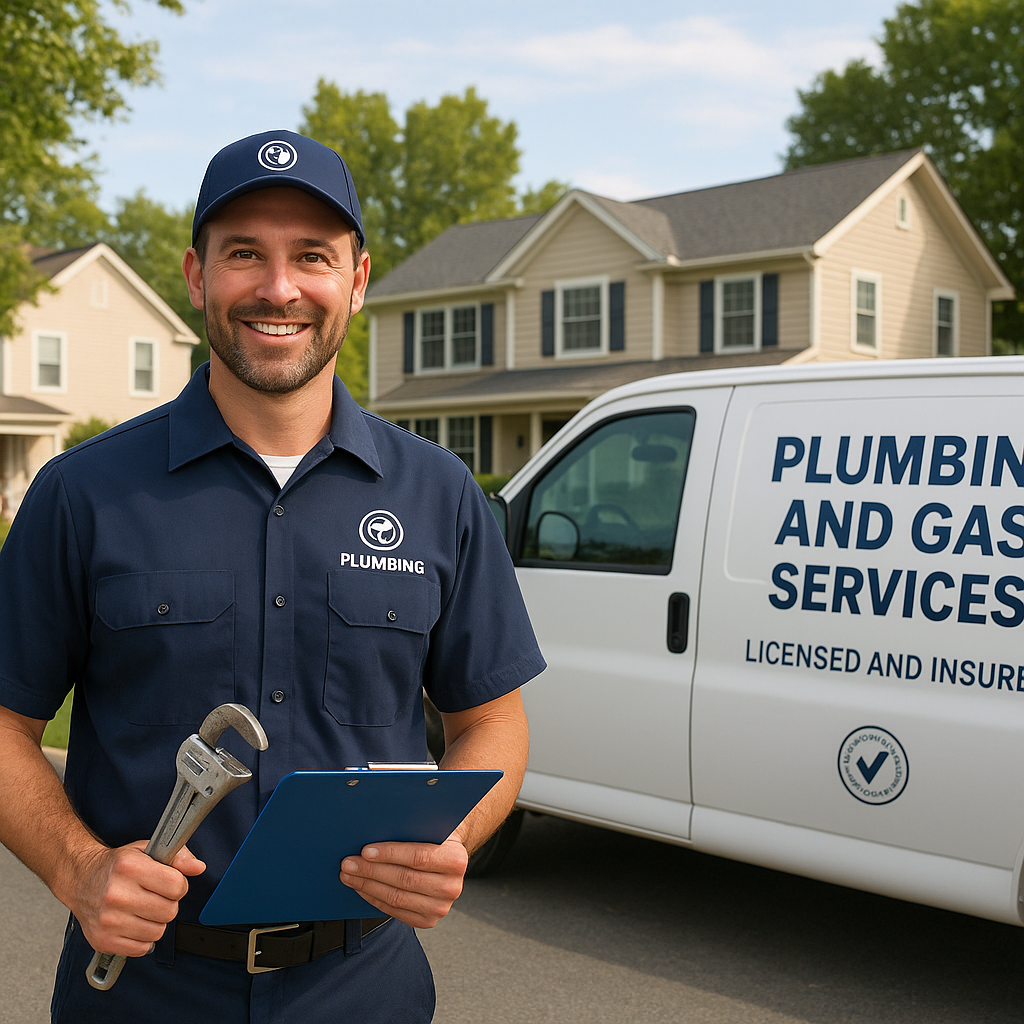
Picture this: you’re a skilled plumber or gas fitter, ready to take on jobs in Arlington, Virginia. You’ve got the tools, the know-how, and the drive to serve your community. But before you can pull your first permit or step onto a job site, the county asks for something called a “Plumbing and Gas Contractor’s Bond.” If that phrase makes you scratch your head, you’re in the right place. This guide breaks down everything you need to know in plain, easy-to-follow language—no legal jargon, no runaround.
What Exactly Is a Contractor Bond?
First things first: a contractor bond is not insurance for your business. Think of it more like a promise—a three-party guarantee. You, the contractor, promise the county and your customers that you’ll play by the rules. A surety company backs that promise financially. If you break the rules, the bond makes things right for the harmed party, up to a set dollar amount.
Arlington County specifically calls this a “Plumbing and Gas Contractor’s Bond – 3rd Party Liability.” That means the bond is designed to protect the public and the county, not you. It’s a safety net for homeowners, businesses, and the municipality when a contractor’s work causes damage, violates codes, or leaves a project unfinished.
Why Arlington County Requires This Bond
Arlington County, Virginia, doesn’t just want any contractor working on gas lines or plumbing systems. These projects touch essential services—think drinking water safety, fire risk, and potential carbon monoxide exposure. One small mistake can lead to big, expensive problems. The bond requirement ensures that only serious, accountable professionals operate in the county.
Here’s exactly what the bond does:
- Protects consumers from financial loss if a contractor performs substandard work.
- Guards the county against permit violations, failure to correct code issues, or unpaid fees.
- Encourages compliance with local building codes, safety regulations, and licensing laws.
In short, the county isn’t being difficult—it’s looking out for everyone’s well-being. Without this requirement, a homeowner might be stuck paying out of pocket to fix a botched gas line installation, or the county might struggle to enforce its own standards.
Who Needs the Plumbing and Gas Contractor Bond?
If you plan to perform plumbing or gas work within Arlington County’s jurisdiction, you’ll almost certainly need this bond as part of your licensing process. This includes:
- Master plumbers
- Journeyman plumbers working under a master who needs a bond
- Gas fitters and gas contractors
- Mechanical contractors who install, repair, or modify gas piping
- HVAC professionals handling gas connections
The bond is typically tied to your county-issued license or permit. Even if you already hold a state-level Virginia contractor’s license, the county may still ask for its own local bond. So don’t assume you’re covered—double-check with Arlington’s Department of Community Planning, Housing and Development or your local permitting office.
How the Bond Protects Homeowners and the County
Let’s make this concrete with a real-world example. Suppose you hire a gas contractor to run a new line for your kitchen stove. Three weeks later, you smell gas. Inspection reveals the contractor used undersized piping and skipped the required pressure test. Repairs cost $4,500, and the contractor disappeared.
Because the contractor had a bond, you can file a claim. If the claim is valid, the surety company pays you up to the bond amount—say, $10,000. Then the surety turns to the contractor and demands reimbursement. So while the bond pays out quickly, the contractor remains fully responsible for the cost. This is why bonds encourage careful work; you don’t want a claim hanging over your head and potentially ruining your credit and reputation.
The county can also use the bond. For instance, if a contractor fails to pay permit fees or leaves a dangerous condition that forces the county to step in and finish the work, the bond covers those expenses. It’s a powerful tool that keeps the playing field fair and safe.
How Much Does the Bond Cost?
Now for the part every contractor wonders about: the price tag. A common bond amount for plumbing and gas contractors in Virginia counties like Arlington is $10,000. Some jurisdictions require $25,000 or more, but you’ll want to confirm the exact figure with the county.
Here’s the good news—you don’t pay the full bond amount upfront. Instead, you pay a small premium, usually between 1% and 5% of the total bond. So for a $10,000 bond, your annual premium might be anywhere from $100 to $500. The exact rate depends on your personal credit score, business financials, and experience.
How credit affects your premium is like a car insurance quote. A driver with a spotless record gets lower rates. Similarly, a contractor with strong credit pays less for their bond. But even if your credit isn’t perfect, you can still get bonded—you’ll simply pay a bit more. Some surety companies specialize in working with contractors who have past bumps in the road.
How to Get Your Arlington County Contractor Bond
Getting bonded isn’t a complicated maze. Follow these simple steps, and you’ll be ready to file your paperwork in no time.
- Confirm the required bond amount. Check Arlington County’s official website or call the permitting office. Ask for the exact “Plumbing and Gas Contractor’s Bond” amount and any specific language they need on the form.
- Reach out to a surety bond agency. You can work with a local insurance agent or an online surety provider. Provide basic information about your business and the bond requirement.
- Fill out a short application. This typically asks for your name, business structure, license number, and a credit check authorization.
- Receive a quote. Within hours or even minutes, you’ll see your premium. Compare a couple of quotes if you like, but note that most standard rates are similar.
- Pay the premium and get your bond form. Once paid, the surety issues a bond document. You’ll sign it as the principal and submit it to the county along with your license application or renewal.
- Renew on time. Bonds generally last one year. Set a reminder so you don’t accidentally let it lapse—working without an active bond can lead to license suspension.
What Happens If You Don’t Have the Bond?
Operating without the required bond isn’t a gray area—it’s black and white. The county can deny your license, invalidate your permits, or issue stop-work orders on your job sites. You could face fines, legal action, and serious damage to your professional standing. Customers are also less likely to trust an un-bonded contractor, and some project bids specifically require proof of bonding. In a competitive market like Arlington, skipping this step puts you at a major disadvantage.
Common Questions About Arlington County Plumbing Bonds
Is a contractor bond the same as insurance?
No. Insurance protects you; a bond protects others. If your tools get stolen or you cause an accident, your business insurance might cover it. The bond only steps in when your actions harm a third party, like a client or the county. Many contractors carry both for full protection.
Can I get bonded with bad credit?
Absolutely. While credit plays a role in pricing, many surety companies offer programs for contractors with less-than-perfect credit. You’ll likely pay a higher premium, but you can still secure the bond and get to work.
How long does a claim take?
If a claim is filed, the surety investigates promptly. Simple, well-documented claims can be settled in a few weeks. Complex disputes might take longer. Once paid, the surety will come to you for repayment, so it’s always better to resolve small issues directly with a client before they turn into formal claims.
Does the bond cover work before I get licensed?
Generally, no. The bond covers work performed while the bond and license are active. That’s why it’s critical to have everything in place before you pick up a wrench.
Peace of Mind for Everyone Involved
Arlington County’s plumbing and gas contractor bond isn’t just bureaucratic red tape—it’s a practical safeguard. For contractors, it signals professionalism and reliability. For homeowners and the county, it provides a financial cushion when things go wrong. And when you think of the bond as that co-signer who says, “I trust this professional to do the right thing,” the whole system makes a lot more sense.
So, as you gear up for your next project in Arlington, treat the bond as an essential tool in your kit. It opens doors, builds trust, and keeps your business on solid ground. Need to get bonded today? A quick call to a surety specialist can have you covered—literally—in no time.