If you’re planning a construction project in Blacksburg, Virginia, you’ve probably come across the term “Erosion and Sediment Control Bond.” It might sound like just another piece of paperwork—something to check off a list. But here’s the thing: understanding this bond, especially the recent updates, can save you a lot of time, money, and headaches down the road. Let’s walk through everything you need to know in plain, everyday language.
What Exactly Is an Erosion and Sediment Control Bond?
Think of an erosion and sediment control bond like a security deposit you might put down when renting an apartment. The Town of Blacksburg wants to make sure that when you move dirt around on your property, you don’t accidentally send loose soil into the street, the storm drains, or your neighbor’s yard. This bond is a financial promise. You’re telling the town, “I’ve got this. I’ll follow the rules, keep the soil where it belongs, and restore the site properly.” If for some reason you don’t, the town can use that bond money to fix the problem without dipping into public funds.
It’s not a penalty upfront. You pay a small percentage of the total bond amount to a surety company, and they back you. The bond itself isn’t an insurance policy for your project; it protects the town and the environment. In Virginia, these requirements tie directly into state stormwater management and erosion control laws, but each locality adds its own flavor.
Why Blacksburg Takes Soil Erosion So Seriously
You might wonder, “Why does Blacksburg care so much about a little mud?” It’s a fair question. This isn’t just bureaucratic busywork. Blacksburg sits in a beautiful part of the New River Valley, with Stroubles Creek winding its way through town straight to the New River. What happens on a construction site here doesn’t stay on the site. Sediment—loose soil and debris—is one of the biggest pollutants in our waterways. It clouds the water, harms aquatic life, and clogs storm drains, leading to flooding.
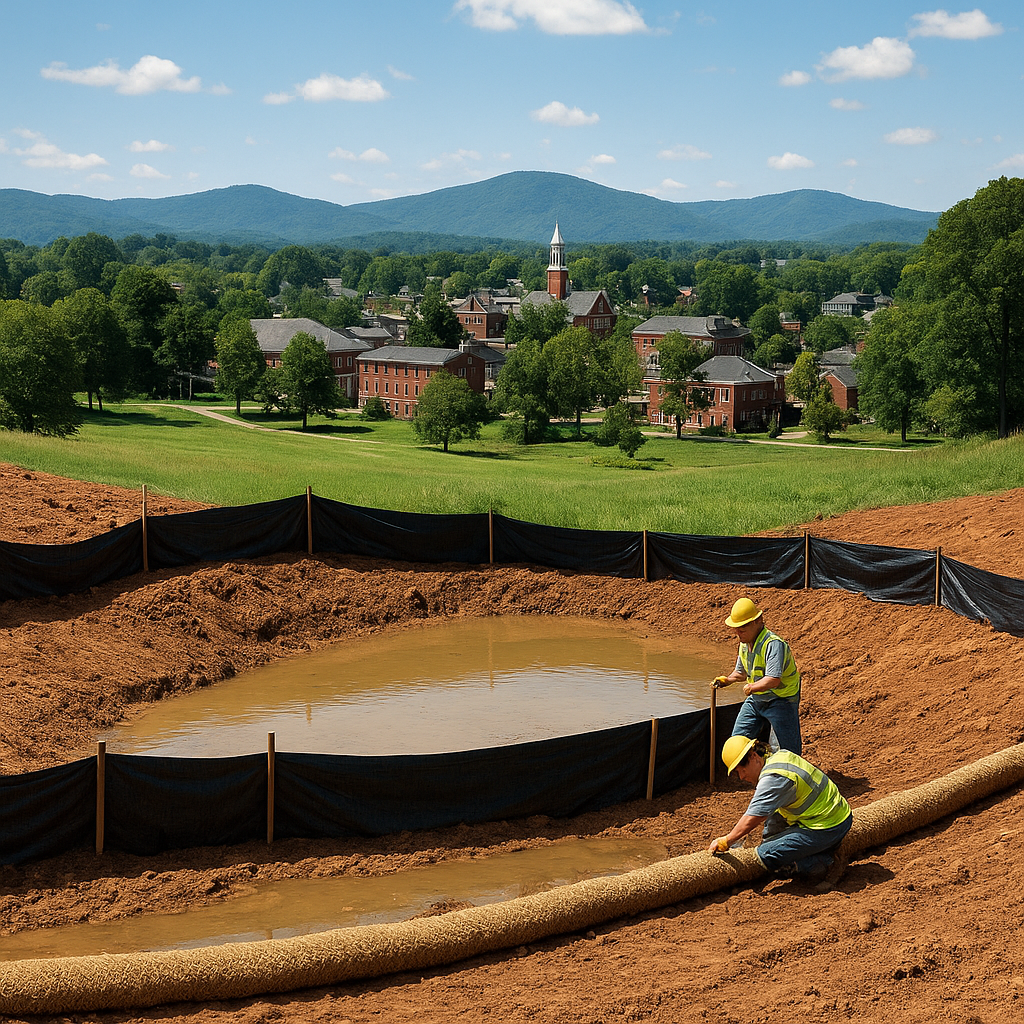
Blacksburg’s commitment to clean water and safe neighborhoods means they have specific local ordinances that mirror but also tighten state rules. The erosion and sediment control bond is one of their key tools to make sure every builder, big or small, manages runoff responsibly. It creates a direct incentive for you to maintain your silt fences, check dams, and temporary seeding until the ground is permanently stabilized.
Recent Updates You Need to Know About
So, what’s new in Blacksburg’s bond program? As of the latest program year, the town has refined a few things to make the process clearer and to align with updated state standards. Here are the highlights, broken down simply.
Updated Bond Amounts and Calculation Methods
One of the most talked-about changes is how the bond amount is calculated. Instead of a one-size-fits-all figure, the town now bases your required bond on the actual disturbed acreage and the complexity of your erosion control plan. For a small residential addition that disturbs less than 5,000 square feet, your bond requirement might be lower than a large subdivision clearing several acres. The engineering department looks at your approved erosion and sediment control plan and calculates an estimated cost to fully stabilize the site. That cost becomes the minimum bond amount.
For example, if your plan shows extensive silt fencing, rock construction entrances, and stormwater basins, the “worst-case-scenario” cleanup cost will be higher—and so will the bond. The town has updated its fee schedule and now publishes a detailed checklist, so you’re not guessing. This makes the process more predictable.
Digital Submission and Tracking
No one enjoys driving downtown with a handful of paper forms. Blacksburg has moved much of the bond submission and tracking process online. You can now upload your signed bond forms, power of attorney, and certificates through the town’s permitting portal. Even better, you can check the status of your bond release request online. This shift has cut down wait times and reduced the risk of lost paperwork. The town still requires original signatures on the actual bond document, but the initial review happens digitally, which is a huge time-saver for busy contractors.
Stronger Focus on Long-Term Vegetation
Another update centers on when you can get your bond released. The town now places extra emphasis on permanent stabilization. It’s not enough to just throw down seed and straw. You need to demonstrate that a healthy, established cover of grass or other vegetation is in place—typically through a final inspection after a 70% perennial cover has been achieved, or after a designated maintenance period. This might mean your bond stays active for a full growing season. The goal? Fewer repeat complaints about muddy runoff months after construction wraps up.
Expanded Acceptable Bond Forms
In the past, Blacksburg accepted only surety bonds from licensed companies. Now, for smaller projects, the town might accept alternative forms of financial security. A certificate of deposit assigned to the town, an irrevocable letter of credit from a local bank, or even a cash escrow are sometimes allowed. This flexibility is a game-changer for homeowners doing their own landscaping or for small builders who might struggle to secure a traditional surety line. Always confirm with the Office of Engineering and Planning, but knowing you have options is a big relief.
How the Bond Process Works, Step by Step
Let’s walk through the typical journey. Imagine you’re adding a large garage and a new driveway, and your disturbance is over 2,500 square feet (the common threshold for requiring a plan in Blacksburg).
First, you submit your erosion and sediment control plan along with your building or land disturbance permit application. The town reviews it and, once approved, they’ll notify you of the required bond amount. You then take that amount to your insurance agent or a surety bond company. They’ll issue a bond for that exact figure after you pay a premium—often a small percentage, maybe 1% to 3% for well-qualified applicants.
You deliver that bond to the town. Now you can pick up your permit and break ground. During construction, you keep your erosion controls in good shape. No mud on the sidewalk, no silt in the creek. When the project is complete and vegetation is thriving, you request a final inspection. If everything passes, the town releases the bond, and your obligation ends. Simple, right?
How Much Will This Cost You?
This is the question everyone asks. You’re not paying the full bond amount out of pocket—unless you use a cash escrow, and then you get the money back after release. With a surety bond, you pay a non-refundable premium. Here’s a rough idea. If the town requires a $10,000 erosion control bond and your rate is 1.5%, you’ll pay $150 for the year. For a $50,000 bond, you might pay $500 to $750. That’s your net cost. Considering the potential fines and cleanup costs for a sediment violation can run into thousands of dollars, that premium is a very smart investment.
Remember, if you fail to stabilize the site and the town calls in the bond, the surety company will pay the town—and then they’ll come to you for every penny, plus legal fees. So the real goal is to do it right the first time.
Common Pitfalls and How to Avoid Them
Even seasoned builders can stumble. Here are a few traps to watch for and how to sidestep them.
- Underestimating the time for vegetation to establish. Don’t plan your bond release inspection for the middle of winter or a drought. Schedule grading and seeding so that you have a solid growing season ahead of you.
- Letting bond paperwork expire. Some bonds have an automatic expiration date. If your project runs long, extend the bond before it lapses. Otherwise, you might get a stop-work order.
- Assuming the bond covers all site work. This bond is specifically for erosion and sediment control measures. It doesn’t cover the building itself, street construction, or other public improvements, which might have separate bonds.
- Skipping routine inspections. The town inspector will check—often after rain events. Keep your controls maintained weekly, and you won’t be caught off guard with a failed inspection and a notice of violation.
What If You’re Working on a Small Home Project?
Many homeowners don’t realize they might need an erosion control bond for something like a backyard patio or a significant landscaping change. The rule of thumb in Blacksburg: any land disturbance over 2,500 square feet typically requires a plan and possibly a bond. But even smaller projects near a creek or drainage way can trigger the requirement. Always call the town’s engineering office before you dig. A quick conversation can tell you if you need a permit and a bond, or if you’re free to proceed. It’s far easier to find out early than to explain that pile of dirt after a neighbor calls the town.
Working Smoothly With the Town
Blacksburg’s staff really does want to help you succeed. They’d much rather see a stable site than chase violations. Approach them early. Ask for a pre-application meeting if your project is complex. They can share examples of what a solid erosion control plan looks like and estimate your bond before you invest in surety. This collaborative approach can save you redesign costs and arguments.
And don’t forget about your contractor. If you hire a grading or site work company, talk the bond requirement into the contract. Who secures it—you or them? Clarify expectations for maintenance and final stabilization. A clear contract prevents finger-pointing later.
Looking Ahead: A Cleaner, Greener Blacksburg
Erosion and sediment control bonds aren’t the most glamorous topic, but they reflect values we all share: clean water, safe streets, and resilient landscapes. The latest updates in Blacksburg aim to make the process more transparent, more digital, and more reasonable for smaller projects, while never letting environmental protection slide. Whether you’re a developer building a new neighborhood or a homeowner putting in a dream garden, these rules are designed to keep our community beautiful and functional.
So next time you see a silt fence along a construction site, you’ll know there’s a financial promise behind it—a promise that the soil will stay put, the creek will run clear, and the neighborhood won’t have to deal with a muddy mess. And now you know exactly how that promise works, and how the recent changes make it easier to be part of the solution.