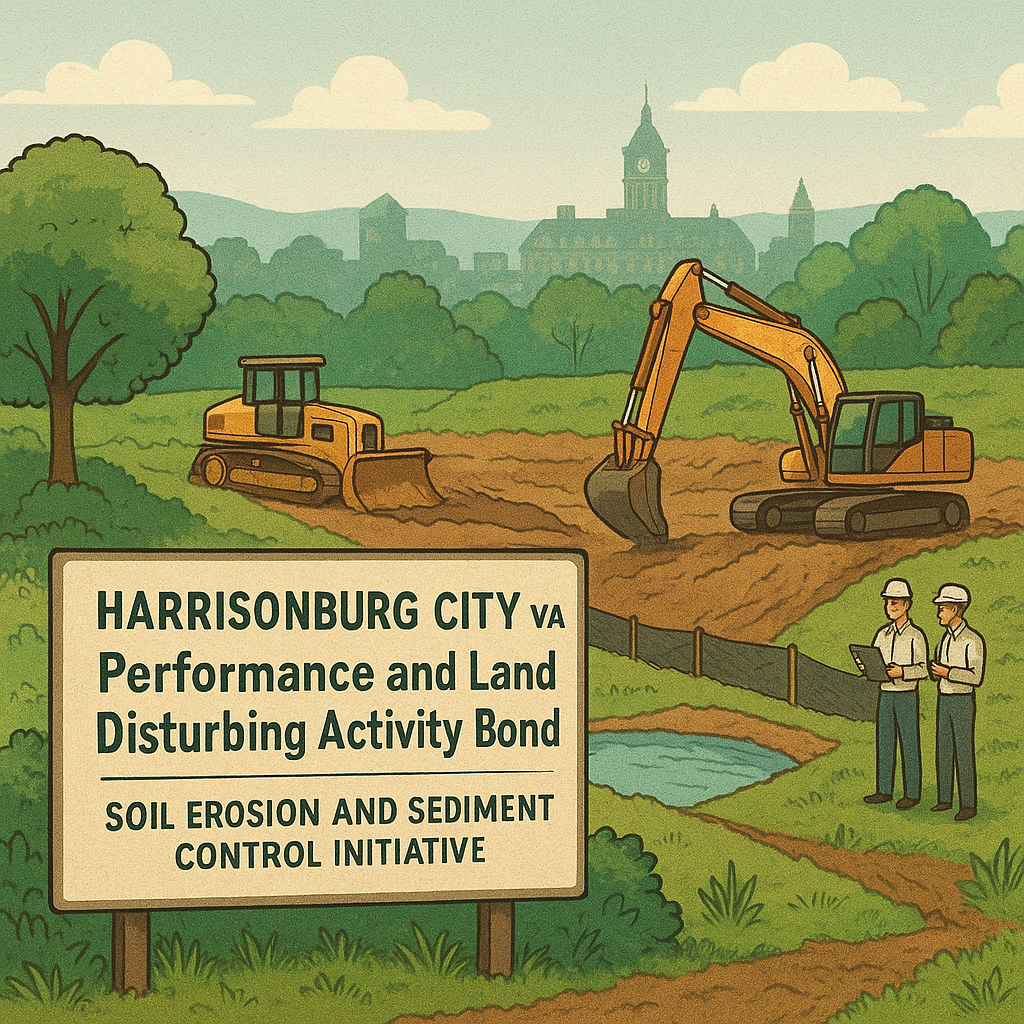
Have you ever watched a construction site transform a patch of earth into something new—maybe a shopping center, a neighborhood, or a public park? It’s exciting to see growth. But have you thought about what happens to the soil when the bulldozers move in? In Harrisonburg, Virginia, the city takes soil protection seriously, and one of its key tools is something called a land disturbing activity bond. If you’re a developer, a contractor, or just a curious resident, understanding this bond can help you see why Harrisonburg stays beautiful while continuing to grow.
What Exactly Is a Land Disturbing Activity Bond?
Think of it like a security deposit you might put down when renting an apartment. The landlord holds that money to make sure you don’t leave the place in shambles. Similarly, a land disturbing activity bond is a financial guarantee that developers or builders give to the City of Harrisonburg. It promises that they will follow all the rules about soil erosion and sediment control while they work on a project.
Here’s the simple breakdown: if you’re planning to move dirt around on a piece of land in Harrisonburg—grading, clearing, excavating—you might need to get a permit. And part of that permit process often means posting this bond. It’s not a tax or a fee the city keeps for fun. It’s a promise. If you keep your work site clean and prevent soil from washing away into creeks and streets, you get the bond back once the project is stable. If not, the city can use that money to fix the problems you left behind.
Why Does Harrisonburg Care So Much About Moving Dirt?
You might wonder, “It’s just dirt, right?” But uncontrolled soil erosion is a sneaky troublemaker. When rain hits bare soil at a construction site, it picks up sediment and carries it into storm drains, streams, and eventually the Shenandoah River. That cloudy water harms fish, fills in waterways, and can even make flooding worse downstream. Harrisonburg is in the Chesapeake Bay watershed, so what happens here affects water quality way beyond our city limits. The city’s rules, including the bond requirement, are a first line of defense for our local environment.
Virginia state law actually requires localities to manage erosion and sediment control. Harrisonburg’s program follows the Virginia Erosion and Sediment Control Law and local ordinances. The performance bond—sometimes called a land disturbing activity bond or soil erosion and sediment control bond—makes sure those rules aren’t just words on paper. Money talks, and this bond gives everyone a stake in doing the job right.
The Real-Life Ripple Effect of Loose Soil
Imagine you’re washing a muddy car in your driveway. Without any barrier, that dirty water rushes down the street and into a nearby stream. Now picture a 10-acre construction site during a heavy summer thunderstorm. The amount of mud that can slide off exposed land is staggering. It can clog drainage systems, damage neighboring properties, and cost taxpayers big bucks to clean up. The bond system shifts that responsibility back to the person causing the disturbance. It’s a “you make the mess, you clean it up” approach that really works.
How the Bond Process Works in Harrisonburg
So, if you’re planning a project that involves disturbing more than a certain amount of land—usually a threshold of a few thousand square feet—you’ll likely need a land disturbing activity permit from the Harrisonburg Department of Public Works. The city will review your erosion and sediment control plan, which shows how you’ll keep soil in place using things like silt fences, temporary seeding, and sediment traps.
Once that plan is approved, you’ll need to provide the bond. The bond amount isn’t random; it’s based on the estimated cost of the required erosion and sediment control measures. If the control measures in your plan would cost $10,000 to install and maintain, your bond might be set around that figure. It’s meant to be enough to cover the city’s expense if they have to step in and fix things because you failed to do so.
This bond can be in the form of cash, a certified check, or a surety bond from an insurance company. Cash is straightforward—you give the city the money, they hold it. A surety bond involves a third-party company that guarantees the amount to the city. Either way, you don’t lose that money unless you break the terms.
Getting Your Bond Released
Here’s the part everyone loves: getting the bond back. Once your construction is complete and the land is permanently stabilized—meaning grass or other vegetation is growing, no more exposed soil is washing away—you can request a release inspection. A city inspector will visit the site to make sure everything looks good. If it does, the city will release the bond. The whole timeline might take a few months after the final grading, because the vegetation needs time to establish. It’s a little like waiting for a garden to bloom before you can call it done.
Who Benefits from This Bond Requirement?
Honestly? Everyone. Developers and contractors benefit because it gives them a clear framework to follow, which can protect them from complaints and lawsuits. Nearby homeowners benefit because their yards and streets won’t be flooded with mud after every rain. The city benefits by avoiding huge cleanup costs and keeping its infrastructure in good shape. And nature benefits because our streams and rivers stay cleaner, supporting wildlife and recreation.
There’s even an economic angle. A town that takes care of its environment is a town where people want to live, work, and play. The City of Harrisonburg’s commitment to soil protection helps preserve the scenic beauty that makes the Shenandoah Valley so special. It’s the reason we can still enjoy fishing in Black’s Run or hiking along greenways without seeing mud-choked channels.
Common Questions and Misunderstandings
If you’re new to construction in Harrisonburg, you might hit a few head-scratchers. Let’s clear up some frequent ones.
Is this the same as a building permit bond? Not exactly. A land disturbing activity bond is focused strictly on erosion and sediment control during land disturbance. You might still need other permits and bonds for building, electrical, or plumbing work. Think of it as one piece of the puzzle.
Can I do the work myself to save money? You can do some erosion control measures yourself, but you still have to meet the specifications in your approved plan. The city doesn’t care who does the work, as long as it’s done properly. If you’re a DIY enthusiast, just make sure your silt fence is entrenched just so, and your seed isn’t washed away. But hiring a professional is often worth it to avoid headaches during the release inspection.
What if I sell the property before the bond is released? That can get a little sticky. Typically, the responsibility—and the bond—is tied to the project, not the person. If you sell, you’ll want to work with the buyer and the city to transfer the permit and bond responsibilities. Don’t assume you can just walk away, or you might forfeit your bond.
Navigating the Process Smoothly: Tips for a Stress-Free Experience
Based on conversations with local builders and city staff, here’s how to make the land disturbing activity bond process in Harrisonburg as painless as possible:
- Start early. Talk to the Department of Public Works well before you plan to break ground. They can review your erosion control plan and help you understand what the bond amount will look like. Last-minute rushing leads to mistakes.
- Invest in a solid erosion control plan. A good plan designed by someone who knows Virginia’s standards can save you money in the long run. The more thoughtful your plan, the less likely you’ll have washouts that require re-work and delay your bond release.
- Keep the site tidy week to week. Don’t let silt fence that’s been knocked over by a truck stay that way for days. Regular maintenance is the secret to passing those random inspections and showing you’re serious.
- Document everything. Take photos after rainstorms to prove your controls worked. Having a visual record can smooth over any disputes about whether erosion came from your site.
- Ask for a pre-final inspection informally. Before you request the official release, walk the site with an inspector if they allow it. Sometimes they’ll point out small issues you can fix that same week, saving you a failed inspection and another month of waiting.
Approaching the process with a cooperative mindset makes a world of difference. The city staff aren’t trying to catch you out; they genuinely want the project to succeed without harming the environment.
The Bigger Picture: Building a Resilient Harrisonburg
It’s easy to see a bond as just one more government hoop to jump through. But when you zoom out, Harrisonburg’s land disturbing activity bond is part of a larger story about growth and responsibility. The city is one of Virginia’s fastest-growing areas, with new homes, businesses, and infrastructure popping up all the time. That growth brings energy and opportunity, but it also brings challenges. Managing stormwater and soil isn’t glamorous, but it’s fundamental to keeping our community safe and beautiful for generations.
So the next time you drive past a construction site with those black fabric fences flapping in the wind, you’ll know there’s a whole system of planning and financial assurance behind them. That bond is a silent guardian, holding the line to make sure that development and nature don’t have to be enemies. In Harrisonburg, they can work together, one well-planted slope at a time.
Ready to Dig In?
Whether you’re a builder looking to start a new project, a student researching environmental policy, or a homeowner concerned about the construction next door, understanding the land disturbing activity bond gives you insight into how Harrisonburg keeps its soils in place and its waters clean. If you have specific questions, reach out to the Harrisonburg Public Works Department directly. They have the most up-to-date forms, fee schedules, and thresholds. And remember, a little dirt never hurt anyone—as long as it stays where it belongs.